
Medical waste management is a crucial aspect of healthcare procedures, ensuring the safe disposal of potentially harmful materials generated from healthcare facilities. With the ever-increasing demand for healthcare services worldwide, the proper management of medical waste has become a pressing concern. It involves the efficient handling, collection, transportation, treatment, and disposal of medical waste to prevent its adverse effects on human health and the environment. Therefore, implementing effective strategies and protocols for medical waste management is essential to mitigate the risks associated with improper disposal and promote overall public health.
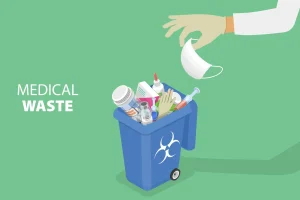
The management of medical waste involves several stakeholders, including healthcare providers, waste management companies, regulatory authorities, and policymakers who collaborate to establish guidelines and regulations for the proper handling and disposal of medical waste. Research and innovation in medical waste management have led to the development of advanced techniques and technologies that facilitate efficient segregation and treatment of different types of medical waste. This article explores various aspects of medical waste management, including the classification of medical waste, best practices for handling and disposal, environmental impacts, and emerging trends in sustainable waste management. Understanding these aspects is crucial not only for healthcare professionals but also for individuals concerned about the safety and environmental implications of medical waste disposal.
Classification of Medical Waste
Medical waste can be classified into different categories based on its potential for harm and the methods required for its proper disposal. The World Health Organization (WHO) categorizes medical waste into four main groups:
1. Infectious Waste: This includes waste that has the potential to cause infection or disease. It consists of items such as used needles, dressings, swabs, and tissues contaminated with blood or other bodily fluids.
2. Hazardous Waste: This category includes waste that poses chemical, biological, or physical hazards. It includes items such as chemicals, pharmaceuticals, radioactive waste, and cytotoxic drugs.
3. Sharps Waste: Sharps waste refers to items that can cause cuts or puncture wounds. Examples include needles, scalpels, and broken glass.
4. General Waste: General waste includes non-hazardous materials generated during healthcare procedures, such as paper towels, packaging materials, and food waste.
To ensure the safe disposal of medical waste in Orlando, Florida, healthcare facilities and waste management companies must adhere to specific guidelines and protocols outlined by regulatory authorities like the Environmental Protection Agency (EPA).
Trends in Sustainable Waste Management
As concerns about the environmental impact of medical waste increase, there is a growing emphasis on sustainable waste management practices. One of the emerging trends in this field is the adoption of environmentally friendly technologies for the treatment and disposal of medical waste.
In recent years, technologies such as autoclaving, microwaving, and advanced disinfection systems have gained popularity due to their ability to effectively treat infectious and hazardous waste while minimizing environmental harm. These methods reduce the volume and weight of medical waste by sterilizing it or converting it into inert materials that can be safely disposed of in landfills or used for energy generation.
Additionally, there is a growing interest in recycling and reusing certain types of medical waste, such as plastics and packaging materials, to reduce the overall waste generated by healthcare facilities. This approach not only benefits the environment but also has the potential to save costs associated with the procurement of new materials.
In conclusion, sustainable medical waste management practices, including the proper classification, handling, and disposal of different types of medical waste, are crucial for protecting public health and minimizing environmental impacts. By implementing innovative technologies and promoting recycling initiatives like Medical waste disposal Orlando, healthcare facilities can contribute to a safer and more sustainable future.
In conclusion, effective medical waste management is essential in ensuring the safe disposal of potentially harmful materials generated from healthcare facilities. The collaboration between healthcare providers, waste management companies, regulatory authorities, and policymakers is crucial in establishing guidelines and regulations for handling and disposing of medical waste. Understanding the classification of medical waste, including infectious waste, hazardous waste, sharps waste, and general waste, is important in implementing proper disposal methods. Additionally, there is a growing emphasis on sustainable waste management practices, such as the adoption of environmentally friendly technologies for treatment and disposal, recycling initiatives, and reusing certain types of medical waste. By implementing these practices, healthcare facilities can contribute to a safer and more sustainable future for both public health and the environment.